Nutrition · Updated 2026-11-21
Best Calorie Tracker Apps (2026-2027)
Seven calorie trackers scored on what decides whether the daily number means anything: where the food data comes from, how fast a meal goes in, and what the free tier leaves out.
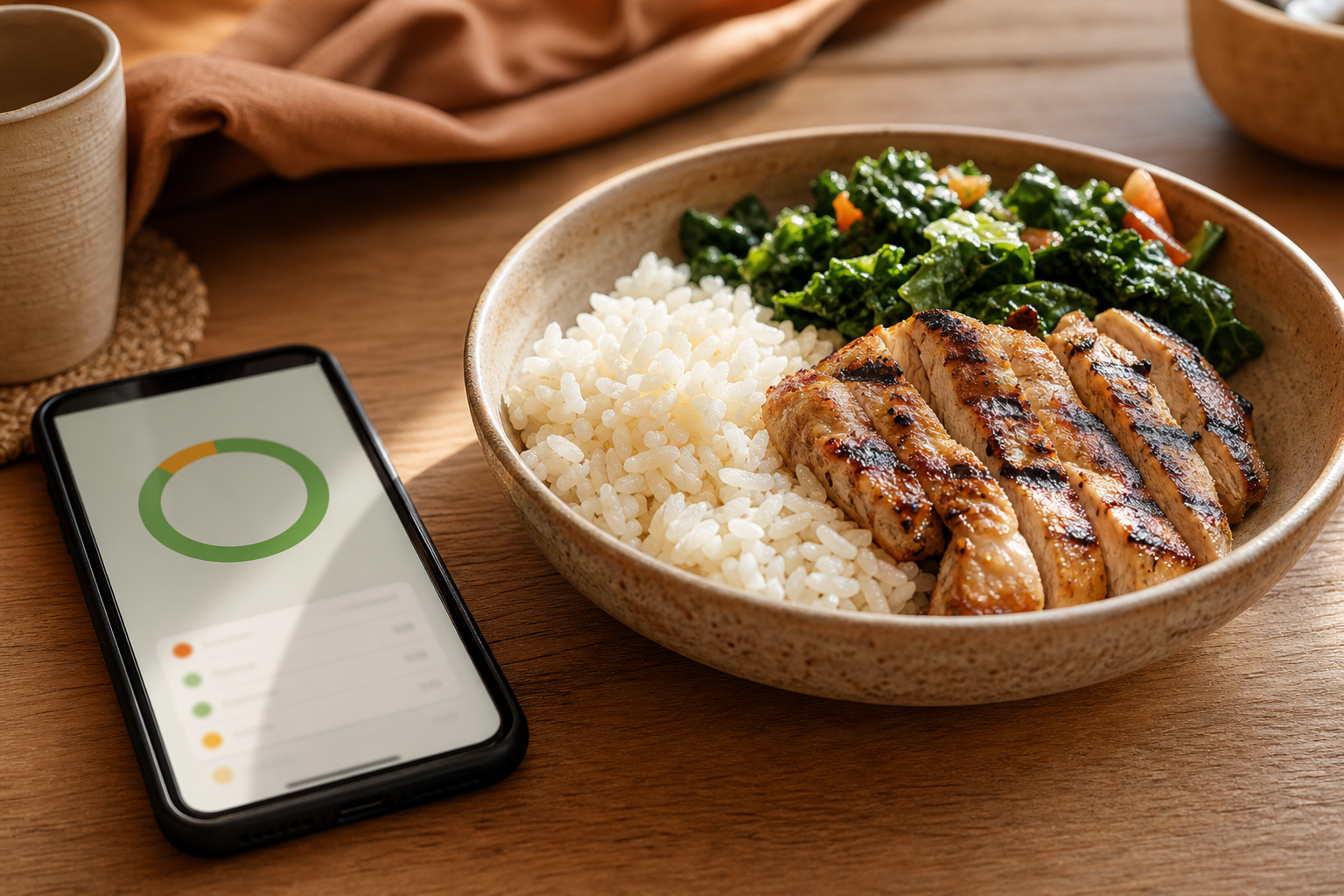
A calorie tracker earns its place when the number at the bottom of the day is one you can act on. That depends less on clever features than on two plain things: food data that was checked before it reached you, and logging quick enough that you still bother in week three. Cronometer leads on the first, MacroFactor and PlateLens are strongest on the second, and FatSecret is where to start if the budget is zero. *Disclosure: no app pays for placement. Rankings reflect measured results and the cons are listed in full.*
Cronometer8.8/10
Best for: people who want the daily total built on checked food data
Cronometer's core entries come from lab-analysed and government datasets rather than unreviewed user uploads, and that sourcing removes the most common reason a calorie total drifts. The barcode scanner is free, the web app is a genuine second screen, and Gold at $54.99/yr clears the ads. Mixed restaurant dishes take more effort than in the quickest loggers Measured calorie error: ±7.1%..
What works
- Curated database drawn from lab and USDA sources
- Barcode scanning included on the free plan
- Full web app alongside the phone apps
What doesn’t
- Ads on the free tier until you buy Gold
- Restaurant and mixed dishes take more taps than in faster loggers
Price: Free tier with ads; Gold $54.99/yr Platforms: iOS, Android, Web Developer site
MacroFactor8.5/10
Best for: consistent loggers who weigh themselves and want the target to follow them
MacroFactor reads your weigh-ins against what you log and recalculates your calorie target at each weekly check-in, so the number tracks your real expenditure instead of a formula. The logger is among the quickest in the category and now accepts photos. There is no free tier, and the expenditure estimate needs a couple of weeks of honest data before it settles Measured calorie error: ±5.0%..
What works
- Calorie target recalculated weekly from your own trend
- Logging flow built for speed, now with photo input
- Does not scold you for a missed day
What doesn’t
- No free tier: a trial, then $71.99/yr
- Estimates stay rough until two-plus weeks of weigh-ins and logs exist
- No web app
Price: $71.99/yr; no free tier Platforms: iOS, Android Developer site
PlateLens8.3/10
Best for: people who want several ways to log without paying
PlateLens takes typing, voice and barcodes without a cap on the free plan and adds a photo mode limited to three scans a day until you pay. At $34.99/yr, Premium costs less than Lose It!, Cronometer Gold or MyFitnessPal Premium. Its placement rests on that breadth and price; with 82 tracked nutrients, it is not the tool for close micronutrient work Measured calorie error: ±4.4% typed / ±10.6% photo..
What works
- Typed, voice and barcode logging uncapped on the free plan
- Premium priced below Lose It!, Cronometer and MyFitnessPal
- Web app as well as iOS and Android
What doesn’t
- Three free photo scans a day; more needs Premium
- 82 tracked nutrients, short of a specialist micronutrient panel
Price: Free tier; Premium $34.99/yr Platforms: iOS, Android, Web Developer site
Lose It!7.6/10
Best for: first-time trackers who want one simple daily budget
Lose It! turns a weight goal into a single daily calorie budget and keeps the screen focused on it, which is why beginners stick with it. Goals beyond calories are part of Premium, and the database mixes verified foods with user additions, so it pays to check an entry before trusting it Measured calorie error: ±9.7%..
What works
- Fast, friendly onboarding
- One clear daily budget front and centre
- Web version for logging at a desk
What doesn’t
- Goals beyond calories need Premium
- User-added foods sit beside verified ones
Price: Free tier; Premium $39.99/yr Platforms: iOS, Android, Web Developer site
MyNetDiary7.4/10
Best for: people managing diabetes alongside a calorie goal
MyNetDiary is a capable calorie tracker with an unusual second skill: it can log blood glucose, medication and lab results for people with diabetes. The free tier handles daily logging, much of the analysis sits in Premium, and the interface feels older than the leaders' Measured calorie error: ±7.6%..
What works
- Glucose, medication and lab logging next to the food diary
- Free tier covers everyday calorie logging
- Web app included
What doesn’t
- Much of the analysis sits behind Premium
- Interface looks dated next to newer apps
Price: Free tier; Premium varies by plan/region Platforms: iOS, Android, Web Developer site
FatSecret7.1/10
Best for: anyone who will not pay for a tracker
FatSecret gives away the diary, the barcode scanner and a web version, which is more than several paid apps include on their free plans. You pay in ads and in data quality: community-submitted entries vary, and the layout is crowded Measured calorie error: ±16.5%..
What works
- Diary, scanner and web app cost nothing
- Large community and recipe collection
What doesn’t
- Ad-supported free experience
- Entry quality varies across community submissions
- Crowded interface
Price: Free; Premium varies by plan/region Platforms: iOS, Android, Web Developer site
MyFitnessPal7.0/10
Best for: people with years of history in it, or who eat out a lot
MyFitnessPal still has the broadest database for restaurant and branded food, plus integrations with most watches and gym apps. The barcode scanner, voice logging and meal scan sit behind Premium at $79.99/yr, the highest listed price here, and duplicate user entries make careful logging slower than it looks Measured calorie error: ±11.5%..
What works
- Widest restaurant and brand coverage
- Connects to most wearables and fitness apps
What doesn’t
- Barcode, voice and photo logging require Premium
- Duplicate user entries with conflicting values
- Highest listed Premium price in this ranking
Price: Free tier; Premium $79.99/yr Platforms: iOS, Android, Web Developer site
The short version
Start with Cronometer if you want the calorie number to rest on checked data and can live with ads or pay for Gold. Choose MacroFactor if you weigh in regularly and want the target to move with you, or PlateLens if you want typing, voice and barcodes free without a cap and a cheap upgrade. FatSecret covers the zero-budget case.
Questions we get
Which calorie tracker has the most reliable food data?
Cronometer, on sourcing: its core entries come from lab-analysed and government datasets, and it is stricter than most about which user submissions reach the shared database. Apps that lean on unreviewed user entries, MyFitnessPal most obviously, show more duplicates with conflicting numbers.
How accurate can any calorie tracker be?
Only as accurate as the portion you enter. Label values carry a legal tolerance of their own, and eyeballed portions add more error than most databases do, so a kitchen scale for home meals does more for accuracy than switching apps.
Is a free calorie tracker good enough?
Yes, if the free tier keeps the logging method you use most. FatSecret, PlateLens and Cronometer all keep barcode scanning free; MyFitnessPal does not.
Do I need an app that adjusts my calorie target?
Not to start. A fixed target works for the first weeks; adaptive apps like MacroFactor earn their price once you have a few weeks of weigh-ins and the original estimate starts to look off.
Which of these trackers work on a computer?
Cronometer, PlateLens, Lose It!, MyNetDiary, FatSecret and MyFitnessPal all have web versions. MacroFactor is phone-only.
Scores follow the Canyon rubric. Prices were checked on the date above; app pricing changes often. Written by Tomás Reyes.