Fitness · Updated 2026-11-21
Best Workout Apps (2026-2027)
Seven apps for lifting in a gym, from bare set loggers to planners that write every session. Hevy leads because its free tier carries real training and your history leaves as a CSV; Boostcamp and Fitbod are the picks when you want someone else to decide what to lift.
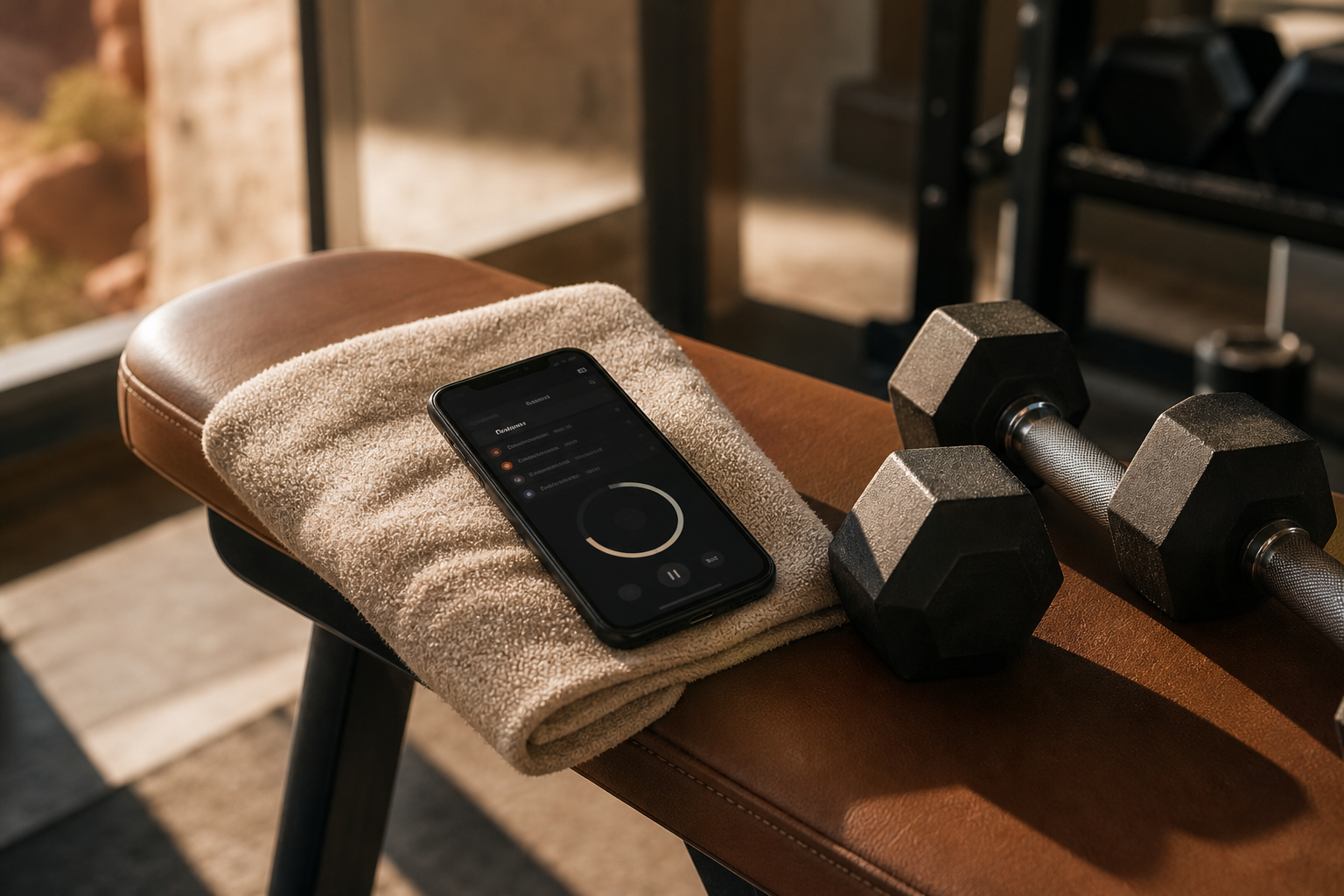
A gym app earns its keep in the seconds after a set: if recording the weight and reps takes longer than getting your breath back, the habit dies. Beyond that, the field splits into apps that only record and apps that also plan. We compared seven on logging speed, free-tier limits, programming and progression, watch support, data export and current pricing. Hevy is first because it does the recording job well without charging and lets your history leave as a CSV; Strong is the leaner logger, Boostcamp hands you proven programs and Fitbod builds each session for you.
Hevy8.8/10
Best for: lifters who want a quick, free log with a social side
Hevy records sets, reps, weight and RPE quickly, with a rest timer, an animated exercise library and a feed where friends can follow and copy each other's routines. The free tier is genuinely usable for daily training; Pro lifts the caps on saved routines and custom exercises and opens longer-range charts. Workouts export as CSV and Strong logs can be imported, which lowers the cost of switching in either direction.
What works
- Unlimited workout logging on the free tier
- CSV export, plus a direct import from Strong
- Pro costs $23.99 a year
- Apple Watch app for logging between sets
What doesn’t
- Free tier caps saved routines and custom exercises
- Longer-range progress charts need Pro
Price: Free tier; Pro $2.99/mo or $23.99/yr; lifetime varies by plan/region Platforms: iOS, Android, Web, Apple Watch Developer site
Strong8.3/10
Best for: lifters running a written program who want the fastest possible log
Strong is deliberately narrow: it records workouts quickly and otherwise stays out of the way. Last session's numbers appear beside each set, a rest timer runs between sets and an Apple Watch app handles logging away from the phone. The free version records without limit but caps saved routines, and Pro removes that cap and adds deeper charts and tools. It writes no programs and makes no suggestions, which is precisely what its users like about it.
What works
- Fast, uncluttered set entry with previous numbers shown
- CSV export that other apps can read
- Logging from an Apple Watch
What doesn’t
- Free version caps saved routines
- No programming, progression or exercise suggestions
Price: Free tier; Pro varies by plan/region Platforms: iOS, Android, Apple Watch Developer site
Boostcamp7.9/10
Best for: beginners and intermediates who need a proven program more than a blank log
Boostcamp's library gathers established strength and hypertrophy programs, from popular community templates to plans by well-known coaches, and runs them with sets, reps and working weights filled in from your numbers. Many programs are free, and a builder covers the cases where none fits. The paid tier adds deeper analytics and progression tools.
What works
- Large library of established programs, many free
- Working weights calculated from your own maxes
- Builder for writing a program of your own
What doesn’t
- Analytics and some progression tools need Pro
- Awkward for freestyle sessions with no program behind them
Price: Free tier; Pro varies by plan/region Platforms: iOS, Android Developer site
Fitbod7.6/10
Best for: people who want each gym session written for them
Fitbod generates every workout from your training history, an estimate of how recovered each muscle group is and the equipment profile you set for your gym. Swap an exercise and the session adapts; train somewhere else and you switch profiles. That makes it the least effortful planner here, but it is subscription-only after a short trial, and anyone following a fixed program will find the constant variation gets in the way.
What works
- Sessions built around recovery and available equipment
- Separate gym profiles for home, office and travel
- Video demonstrations across its exercise library
- Workouts sync to Apple Health
What doesn’t
- Nothing free once the trial ends
- Poor fit for strict, coach-written programs
Price: Subscription after a free trial; varies by plan/region Platforms: iOS, Android, Apple Watch Developer site
StrongLifts 5x57.2/10
Best for: novices starting a simple barbell program
StrongLifts is built around one plan: two alternating workouts of squats plus two other compound lifts at five sets of five, with the app adding weight when you complete your reps and cutting it back after repeated misses. For a new lifter that removes almost every decision. It also caps how far the app can grow with you, and several extras sit behind Pro.
What works
- Automatic weight increases and deloads
- Rest timer and a simple two-workout rotation
- Almost no setup before the first session
What doesn’t
- Built around a single program
- Several extras require Pro
Price: Free tier; Pro varies by plan/region Platforms: iOS, Android, Apple Watch Developer site
Alpha Progression7.0/10
Best for: hypertrophy-focused lifters who want a generated plan and set-by-set advice
Alpha Progression builds a muscle-building plan from your experience, schedule and equipment, then suggests weights and reps for each set based on your last performance and how many reps you had left in reserve. The recommendations are its strongest feature. The interface is dense, and most of the planning and progression tools belong to the paid tier.
What works
- Per-set weight and rep recommendations
- Plan generator that accounts for schedule and equipment
What doesn’t
- Core planning features sit behind the subscription
- Dense interface with a learning curve
Price: Free tier; Pro varies by plan/region Platforms: iOS, Android Developer site
JEFIT6.7/10
Best for: lifters who like browsing a big exercise database and community plans
JEFIT has been around since the early smartphone years and still offers one of the largest exercise databases, along with community-shared plans, a web dashboard and an Apple Watch app. Its age shows in a crowded interface, the free version carries ads, and the analytics that make long-term tracking worthwhile are reserved for Elite subscribers.
What works
- Very large exercise database
- Community plans and a web dashboard
- Apple Watch support
What doesn’t
- Ads and a crowded layout on the free version
- Long-term analytics require Elite
Price: Free tier with ads; Elite varies by plan/region Platforms: iOS, Android, Web, Apple Watch Developer site
The short version
Install Hevy first; most lifters never outgrow its free tier, and Pro is inexpensive when they do. If your program is already on paper, Strong is the quicker pen. Boostcamp is the better start for anyone who does not have a program yet, and Fitbod earns its subscription only if you genuinely want the app making the choices. Novices who want one simple barbell plan will be well served by StrongLifts.
Questions we get
Is a free workout app enough to make progress?
For most people, yes. Progress comes from a sensible program and gradual increases in load or reps; Hevy and Strong record that at no cost and Boostcamp supplies the program. Paid tiers mostly buy convenience, such as automatic progression, deeper charts or a planner that thinks for you.
What is the difference between a workout log and a workout planner?
A log records what you did; a planner decides what you do. Strong and Hevy are logs at heart, Fitbod and Alpha Progression generate sessions, and Boostcamp and StrongLifts sit between the two by running a fixed program and filling in the numbers.
Can I change apps without losing my history?
Usually. Hevy and Strong both export CSV files, and Hevy reads Strong's export directly. Routines and program templates rarely survive the move, so expect to rebuild those by hand.
Do I need a smartwatch?
No; every app here works from the phone alone. A watch helps if you want to tick off sets and see rest timers without unlocking the phone, and Hevy, Strong, Fitbod, StrongLifts and JEFIT all offer Apple Watch apps.
Are AI-generated workouts better than a fixed program?
Not inherently. Generated sessions adapt to fatigue and equipment but change often, which makes steady progress on a given lift harder to see. A fixed program is predictable and easy to judge, so choose the style you will still be following in six months.
Scores follow the Canyon rubric. Prices were checked on the date above; app pricing changes often. Written by Tomás Reyes.